

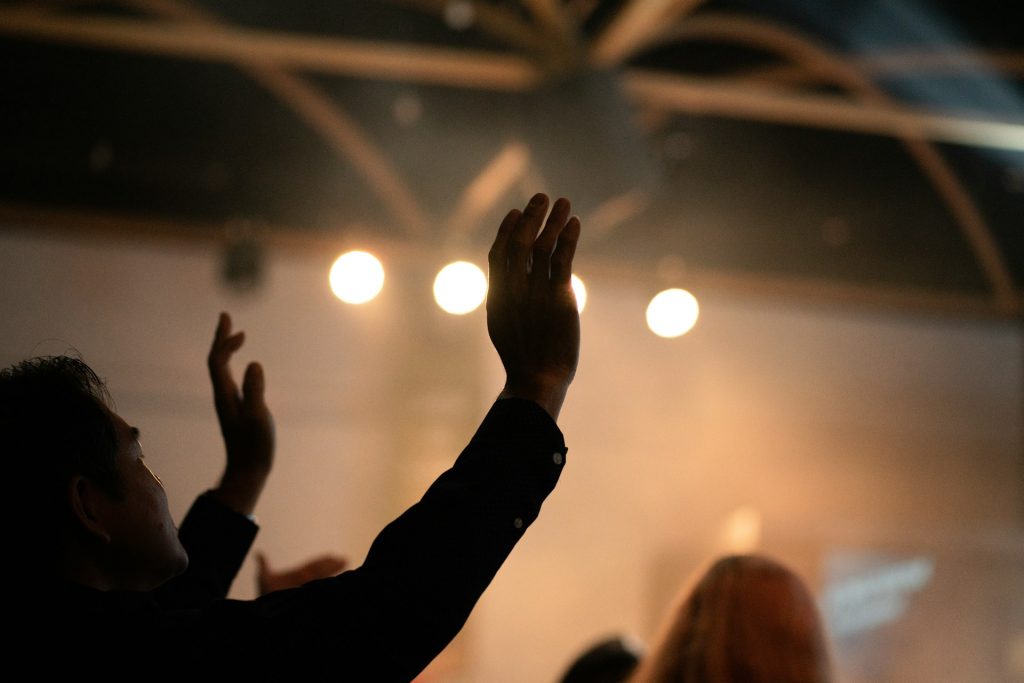
You’ve probably heard the word “saved” tossed around for as long as you can remember. Maybe it came up at church, or maybe someone whispered it in a hospital room. Maybe you nodded along at an altar call and walked away wondering if you missed something. Years later, that uncertainty still lingers. You know the language, but you’re not sure it really fits you.
NowAskJesus was created for questions like this, the kind you carry alone, the ones that keep you up at night. It’s a place to bring the questions you can’t quite say out loud and get a response that actually leans on Scripture.
This guide digs into what Scripture says about salvation, what you’re saved from, what you’re saved into, what grace and faith actually mean, and what might shift after you say yes. If you’ve carried confusion or doubt about “being saved,” you’re not alone, and there’s no shame in it. Maybe, just maybe, the fog can start to lift as you read.
Key Takeaways
- Salvation isn’t a feeling or a formula; it’s a relationship with God made possible through Jesus and rooted in grace.
- Scripture calls salvation a gift received through faith, never a reward you earn by trying harder.
- Doubt doesn’t disqualify you; sometimes it’s the doorway to deeper faith.
Understanding Salvation and Why It Hits Closer to Home Than You Think
Salvation isn’t just a churchy word that floats above real life. It reaches right into the cracks, into the guilt that keeps circling back, into that sense of distance from God even when you’re trying to pray. The idea of salvation cuts to the heart of what it means to be human and to need rescue.
Most people feel something’s off between them and God. Maybe they can’t put it into words, but the distance is real. That’s exactly where salvation comes in.
What You’re Saved From
Sin isn’t just a list of bad things you’ve done. It’s a heart condition that keeps you apart from the God who made you. Romans 3:23 says, “For all have sinned and fall short of the glory of God” (NIV). That’s not aimed at “bad people”; it’s aimed at all of us.
Romans 6:23 spells out the consequence: “The wages of sin is death.” You’re not just saved from punishment; you’re saved from a slow spiritual death, a life disconnected from who you were made to be. If you want to see the heart of sin in more detail, there’s plenty to dig into.
What You’re Saved To
It’s not just about escape. It’s about arrival. Salvation brings eternal life, sure, but also a restored relationship with God that starts now. Forgiveness clears the way, and reconciliation means you’re not left standing on the outside anymore.
The Christian story calls this being brought near. You’re not just tolerated; you’re welcomed. That can mean a lot when you’ve spent years thinking God’s just disappointed in you.
Why Sin Makes This Everyone’s Issue
No one gets a pass. That feels harsh, but it also means no one is left out. Deliverance is offered to the lifelong churchgoer and to the person who hasn’t set foot in a church in decades. The same grace covers both.
If sin is universal, then everyone needs salvation. Which leads to the real question: who makes it possible, and how?
What Jesus Actually Says About New Life
When Jesus talked about salvation, He didn’t lay out complicated rules. He said things like “born again,” “believe,” and “life.” He spoke to people who were confused, scared, and weighed down. His words were personal, not academic.
If you’ve ever wondered if the gospel applies to someone with your baggage, it’s worth seeing what Jesus Himself said. He didn’t wait for perfect people; He reached for the broken ones.
John 3:16 and the Heart Behind It All
John 3:16 gets quoted so much for a reason: “For God so loved the world that He gave His one and only Son, that whoever believes in Him shall not perish but have eternal life” (NIV). The word “whoever” is huge. It doesn’t say “whoever has it all together” or “whoever hasn’t blown it.”
The heart of God here isn’t reluctant or stingy. It’s sacrificial love aimed at the whole world, including you. That’s where salvation starts: with a God who moves first.
Faith in Jesus and Real Hope
Faith in Jesus isn’t about never doubting. It’s about trusting a person, Jesus, and what He did. Acts 4:12 says, “Salvation is found in no one else, for there is no other name under heaven given to mankind by which we must be saved” (NIV). That’s not arrogance; it’s a clear statement about where salvation comes from.
Hope isn’t just wishful thinking. It’s confidence in the One who made the promise. Your faith doesn’t have to be perfect; it just needs to be placed in the right hands.
Why Jesus’ Death and Resurrection Matter
Jesus’ death wasn’t a random tragedy. It paid a debt you couldn’t cover. His resurrection showed death doesn’t get the last word, and that same power is offered to anyone who trusts Him.
No cross, no forgiveness. No empty tomb, no eternal life. The whole Christian faith stands on both. But if this gift is real, how do you actually receive it?
Grace, Faith, and the Gift You Can’t Earn
If you’ve spent years trying to be good enough, this part might sting before it heals. A lot of people quietly believe salvation is something you earn by effort, attendance, or suffering. Scripture says otherwise, and says it clearly.
Salvation is a gift. You didn’t earn your first breath, and you can’t earn this one either. It’s not a flaw in the system; it’s the point.
Grace Through Faith in Ephesians 2:8-9
Ephesians 2:8-9 says, “For it is by grace you have been saved, through faith, and this is not from yourselves, it is the gift of God, not by works, so that no one can boast” (NIV). Grace comes to you through faith. You don’t create grace; you just receive it.
This is one of the clearest explanations in Scripture about how salvation works as a gift. God’s grace meets you where you are, not where you wish you were.
Why Good Works Can’t Get You There
Good works matter; they show something’s changing inside. But they don’t buy what’s already free. If you could earn salvation, it wouldn’t be grace; it’d be a paycheck.
Your actions aren’t meaningless. They grow out of salvation, not toward it. The fruit of the Spirit grows in a life already rooted in God’s love, not in a life still scrambling to measure up.
Peace With God Through Justification
Romans 5:1 puts it like this: “Therefore, since we have been justified through faith, we have peace with God through our Lord Jesus Christ” (NIV). Justified means God calls you righteous, not because of what you did, but because of what Jesus did.
Peace with God isn’t a personality trait. It’s a reality made possible through faith. If you’ve lived under the fear that God’s still angry, justification says the case is closed. So, what does it look like to actually respond?
How People Respond to the Gospel
Responding to the gospel isn’t always a single, dramatic moment. Sometimes it’s quiet. Sometimes it’s slow. Sometimes it starts with just admitting what you’ve been carrying. There’s no script, but scripture does show a pattern.
Suppose you’re wondering whether you “did it right,” take a breath. God isn’t grading your technique.
Recognizing Sin Without Hiding
First comes honesty. You name what’s true, not to earn punishment, but to step into the light. Recognizing sin isn’t about self-loathing. It’s about seeing what stands between you and God. If you want to see specific sins in Scripture, sometimes clarity starts with knowledge.
You don’t have to put on a show of guilt. God already knows. He’s not waiting for a perfect confession, just an open heart.
Repentance and Faith: Turning Around
Acts 3:19 says, “Repent, then, and turn to God, so that your sins may be wiped out, that times of refreshing may come from the Lord” (NIV). Repentance isn’t a one-time event; it’s a change in direction. You turn your face back to God.
Faith and repentance go together. You turn from what’s been wrecking you, and you turn toward the One who can heal you. It’s not a business deal. It’s a relationship starting to breathe.
Confessing Jesus and Receiving Salvation
Romans 10:9-10 says, “If you declare with your mouth, ‘Jesus is Lord,’ and believe in your heart that God raised Him from the dead, you will be saved” (NIV). Confession isn’t a magic formula. It’s agreeing with what’s real: Jesus is Lord, and His resurrection happened.
Receiving salvation is less like signing a contract and more like opening a door that’s already been unlocked. So, what actually changes when you step through?
What Actually Changes After Salvation
Salvation isn’t the finish line. It’s the first page. If you expected everything to change overnight and it didn’t, that doesn’t mean nothing happened. You’re starting a process, not stepping off an assembly line.
The changes are real, but they take time. Some come quickly. Others take years. But God finishes what He starts.
A New Creation, Not a Flawless Person
2 Corinthians 5:17 says, “If anyone is in Christ, the new creation has come: The old has gone, the new is here” (NIV). Becoming a new creation isn’t about being a perfect person; it’s about an identity that has shifted at the roots. Old habits might hang around, but the direction is different now.
Sanctification is the word for this ongoing process. You’re being shaped. Arrival isn’t expected; growth is.
The Holy Spirit and Spiritual Growth
The Holy Spirit comes into your life at salvation, not as a fleeting feeling, but as a steady presence and guide. He’s there for the long haul, offering direction and strength as you grow. Spiritual growth doesn’t happen by sheer willpower. It’s more about letting go and following where He leads, even when you’re not sure you’re getting it right.
| Aspect of Salvation | What It Means | When It Happens |
|---|---|---|
| Justification | Declared righteous before God | At the moment of faith |
| Sanctification | Being made holy over time | Throughout your life |
| Glorification | Fully conformed to Christ | In the life to come |
This isn’t a checklist. It’s more like a map: salvation unfolds in stages, past, present, and future. God’s at work in every part.
Baptism, Prayer, and Life in the Word
Once you start walking in faith, some practices settle into your routine:
- Baptism shows the world what’s changed inside you.
- Prayer is an ongoing, honest conversation with God, sometimes messy, always real.
- Scripture study nourishes you. Some days it’s a feast, some days it’s crumbs, but it matters.
- Community gives you people who notice when you disappear and cheer you on when you show up.
None of this earns you anything. These things help your faith grow roots. If you’re searching for spiritual life answers about how faith looks day to day, scripture has more depth than you might guess. Most of us aren’t just looking for routines, though. We’re looking for assurance.
When You Are Still Unsure Where You Stand
Doubt shows up more than people admit. You might have prayed, gone forward at a service, or believed for years, and still wonder where you stand. That nagging feeling doesn’t mean you’re lost. Maybe it just means you’re paying attention.
Faith and doubt aren’t enemies. They can live side by side, sometimes in the same afternoon. God doesn’t flinch at your questions.
Questions Returning Believers Often Carry
If you drifted away and now you’re quietly inching back, maybe you wonder if the door’s still open. Maybe you’re afraid your absence put you out of reach. Maybe you’re not sure you ever really believed in the first place.
Those thoughts aren’t failures. They just mean your heart’s still searching. A real relationship with God isn’t about a spotless record. It’s about being honest and willing to turn back.
Assurance, Doubt, and the Ongoing Walk of Faith
Romans 5:9 says, “Since we have now been justified by His blood, how much more shall we be saved from God’s wrath through Him” (NIV). Assurance isn’t something you manufacture. It’s a promise you come back to. When doubting your salvation feels heavy, Scripture points you to God’s promises, not your own emotional ups and downs.
Walking by faith means you’ll have clear days and foggy ones. Both are normal. Eternal life rests on God’s faithfulness, not on how steady you feel.
Tracing the Story of Redemption Across Scripture
The story of salvation doesn’t start in the New Testament. It goes all the way back to Genesis 3:15, where God first promised a rescuer. That thread weaves through the Exodus, the prophets, the Psalms, and finally, the life of Jesus.
Some call this the story of redemption. It’s about God chasing after you long before you realized you were lost. That story isn’t over at a single prayer. It carries you through uncertainty and hope, and whatever’s next. If you still have questions, you’re right where faith often grows best.
Frequently Asked Questions
When Your Heart Feels Too Unclean to Come to God, What Does Scripture Say You Can Do With That Shame?
1 John 1:9 says, “If we confess our sins, He is faithful and just and will forgive us our sins and purify us from all unrighteousness.” You don’t have to get your act together first. Just bringing your mess to God is the starting line for healing.
If You Carry Doubt That Grace Could Really Include You, What Did Jesus Say About Being Forgiven and Made New?
Jesus said in Luke 5:32, “I have not come to call the righteous, but sinners to repentance.” Grace is for the ones who know they don’t deserve it. If you feel unqualified, you’re exactly who He came for.
What Does the Bible Actually Mean by Being “Saved,” and How Is That Different From Trying to Earn God’s Love?
Being saved means you’re rescued from sin’s consequences and brought into a real relationship with God through faith in Jesus. Ephesians 2:8-9 says it’s a gift, not something you earn. You can’t rack up enough points; it was never about that anyway.
If You Are Weary and Afraid You Will Never Change, How Do Faith and Repentance Fit Together in a Real Life, Not Just a Moment?
Repentance isn’t a one-time event. It’s a pattern, turning back to God again and again. Faith keeps you moving in that direction, even when you trip up. It’s a rhythm, not a pass/fail exam.
What Are the Different Ways Scripture Speaks About Salvation, Past, Present, and Future, and Why Does That Matter When You Feel Stuck?
Scripture talks about salvation as something that happened (justification), is happening (sanctification), and will be finished (glorification). Feeling stuck just means you’re somewhere in the middle. And that’s where most of us spend our days.
If You Fear You Might Fall Away, What Does the Word Say About Assurance, Perseverance, and God Holding You Fast?
Philippians 1:6 says, “He who began a good work in you will carry it on to completion until the day of Christ Jesus.” God’s the one holding on. If you’re worried about falling, it’s usually a sign you care about staying close, not that you’ve already slipped away.
The Question You Have Been Carrying Deserves an Honest Answer
Salvation isn’t a formula or a feeling. It’s a relationship with God, made possible through Jesus, held together by grace, and anchored in faithfulness way bigger than your doubts. If it still feels blurry, that’s not a deal-breaker. It’s an invitation to keep looking.
Maybe you’ve got questions this stirred up, questions that dig into your story, your regrets, your late-night worries. Those are the ones that matter most.
Bring what’s really on your mind. No one’s keeping score. No judgment here. NowAskJesus offers three private, scripture-based questions, no strings attached. There’s space for whatever you’re carrying.